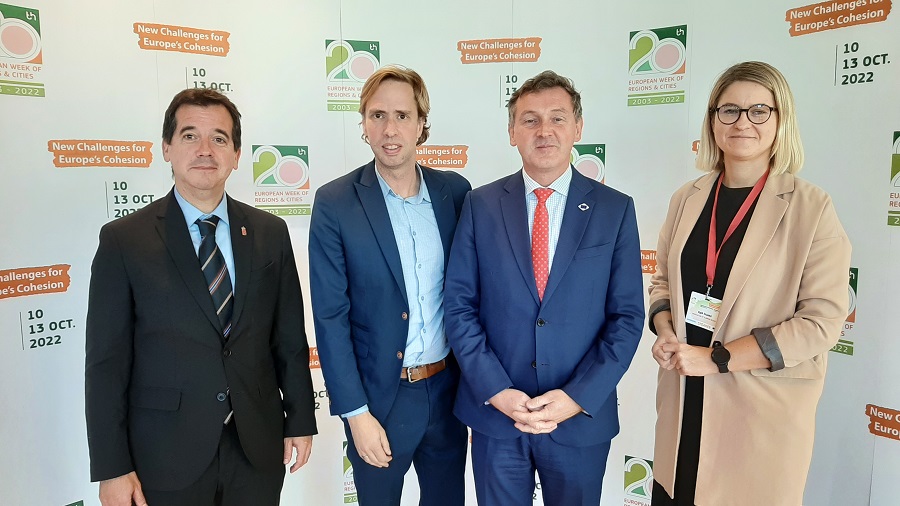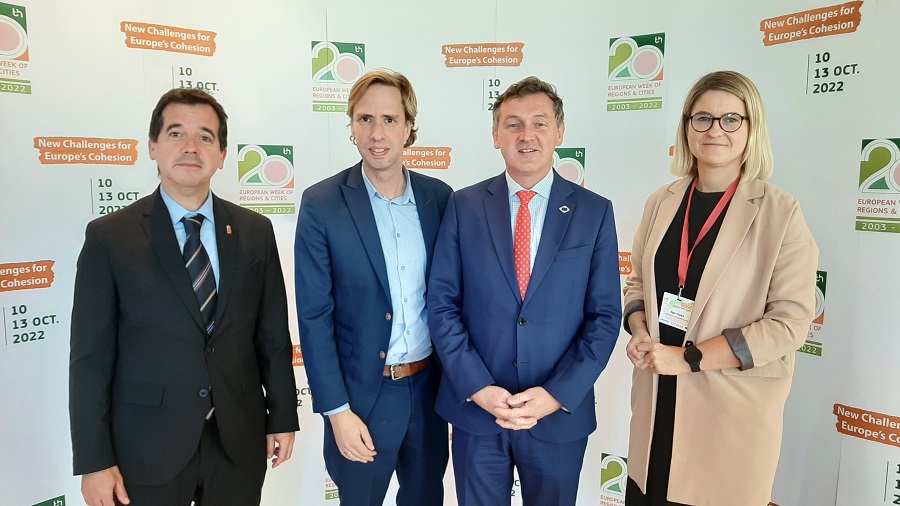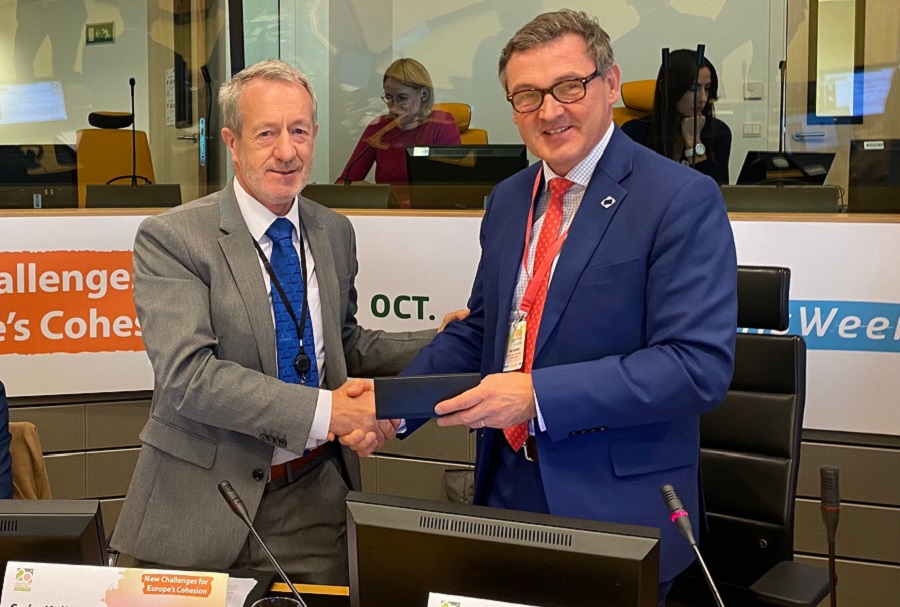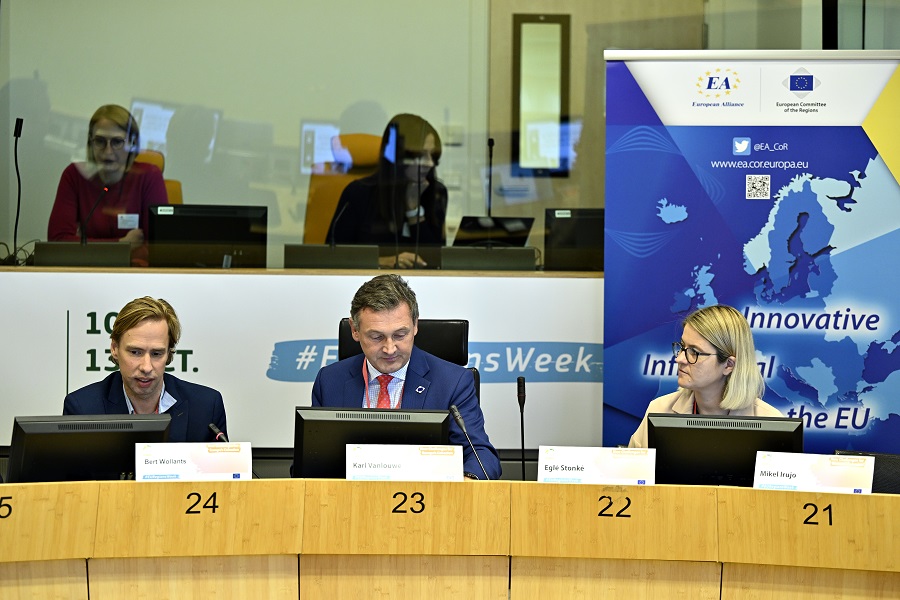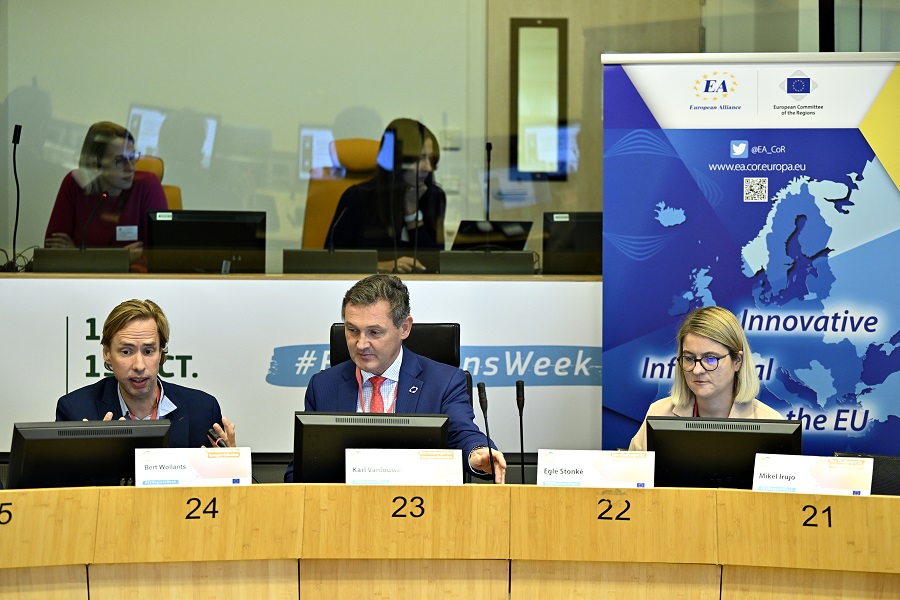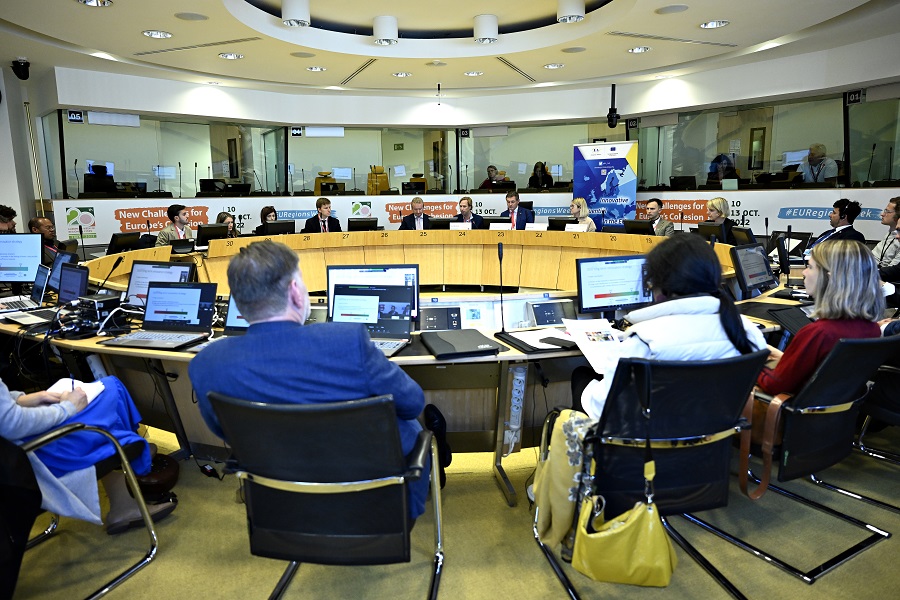
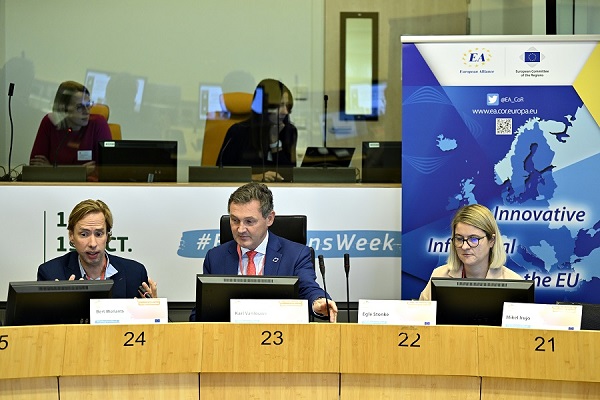
On 11 October, in the context of the 2022 edition of the European Week of Regions and Cities, the European Alliance Group (EA) organized a seminar on Delivering the Green Deal at the local and regional levels focusing in particular on ways regions and cities can implement the objectives of the EU flagship initiative, by using regionally and locally determined contributions.
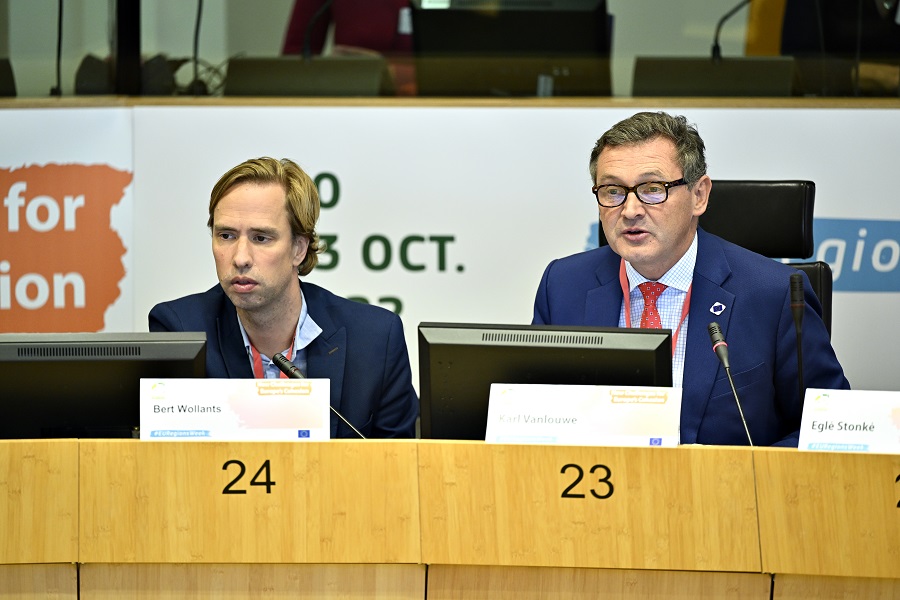
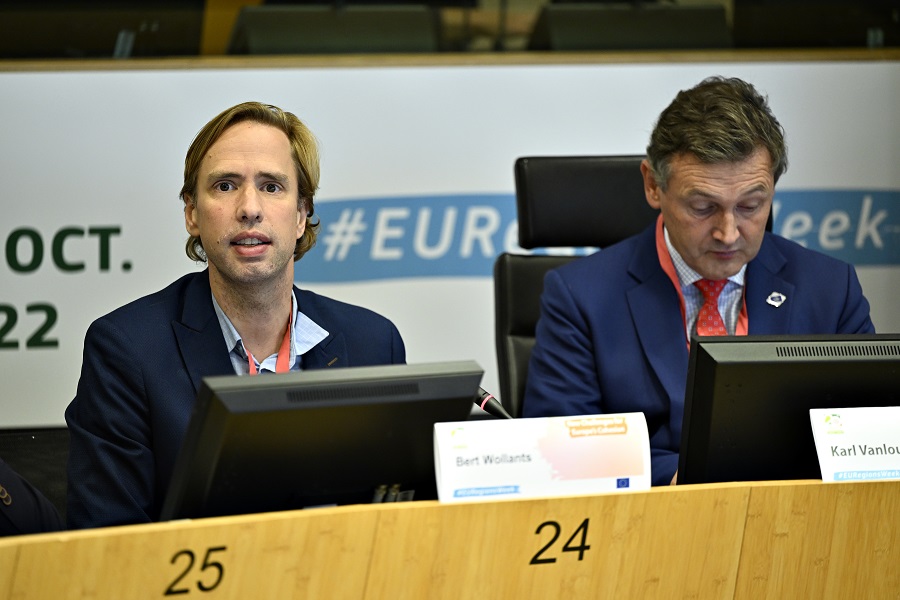
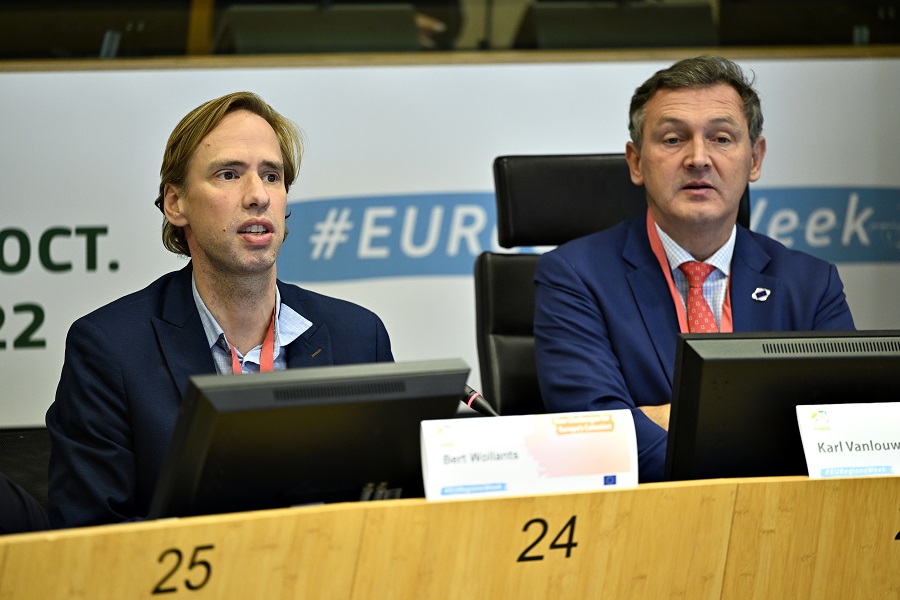
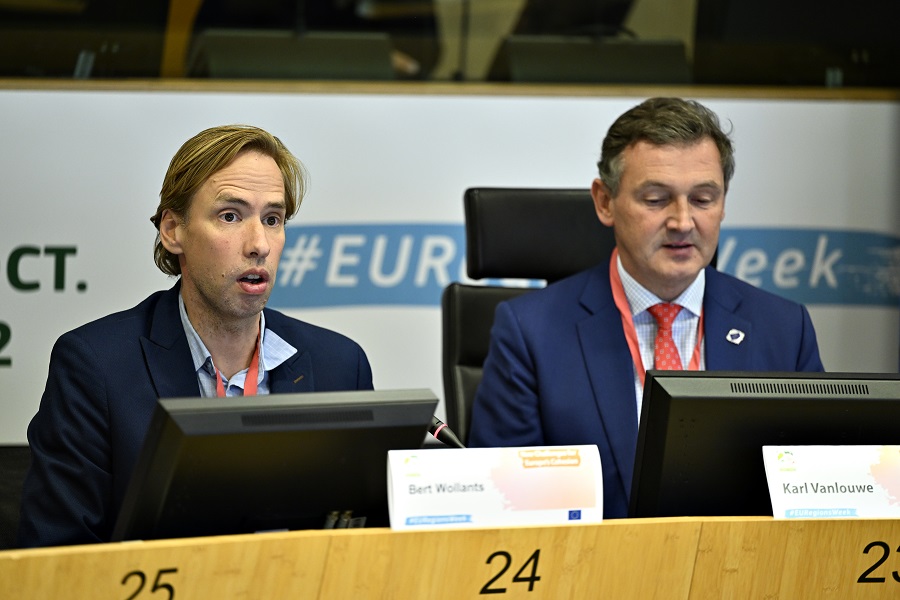
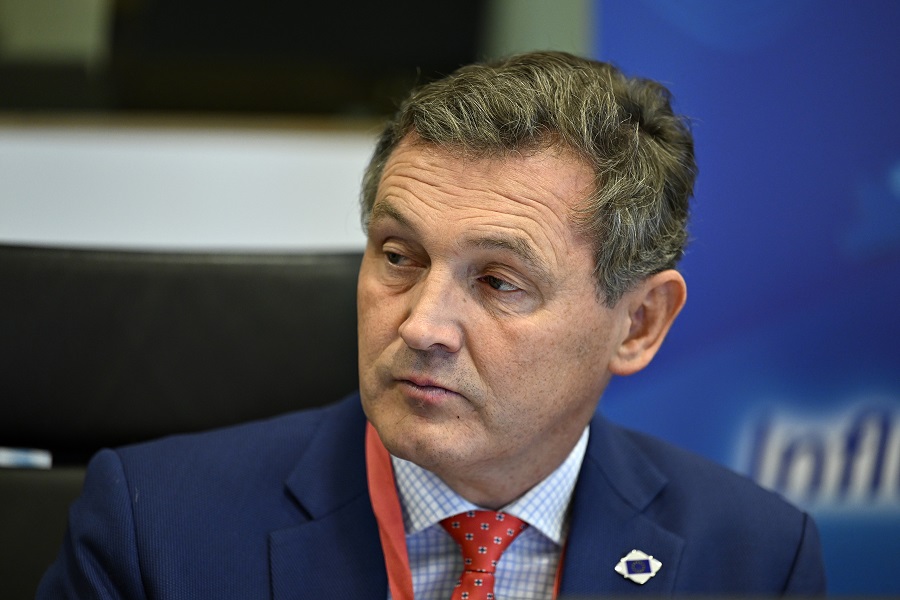
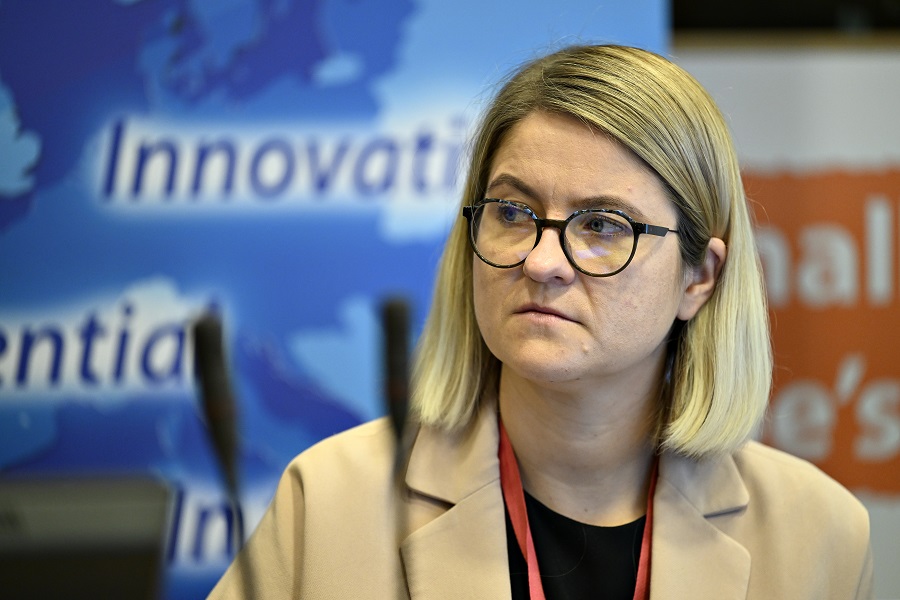
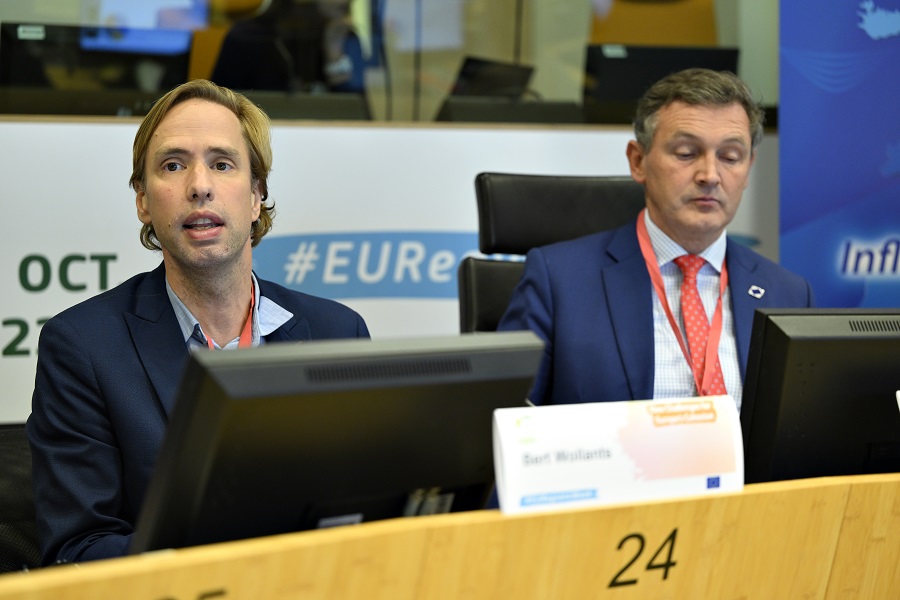
The seminar, which was attended by more than 100 guests (in situ and online), was moderated by EA President Karl Vanlouwe and saw the participation of high-level speakers: Seán Kelly, Member of the European Parliament, Bert Wollants, Member of the Federal Parliament of Belgium, alderman of Lier, Eglė Stonkė, Director of the Association of Klaipeda Region, as well as Mikel Irujo, Regional Minister of Economic and Business Development of Navarra.
During his introductory statement, Karl Vanlouwe underlined the role of regional and local authorities as drivers of green transition, stating that the ambitious targets to reach climate neutrality by 2050 will not be reached without making regions and subnational governments an integral part of the transition process.
Seán Kelly, MEP, focussed on the necessity to reduce energy consumption in buildings (also through digitalisation) and to support the development of renewable energy (such as solar, biogas, offshore wind, and green hydrogen) in order to reduce dependence on Russian energy sources.
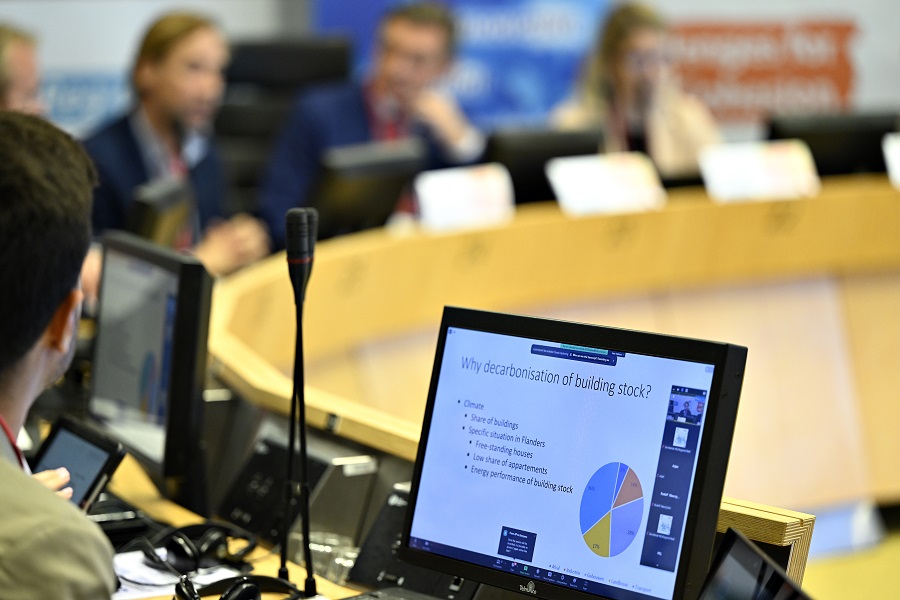
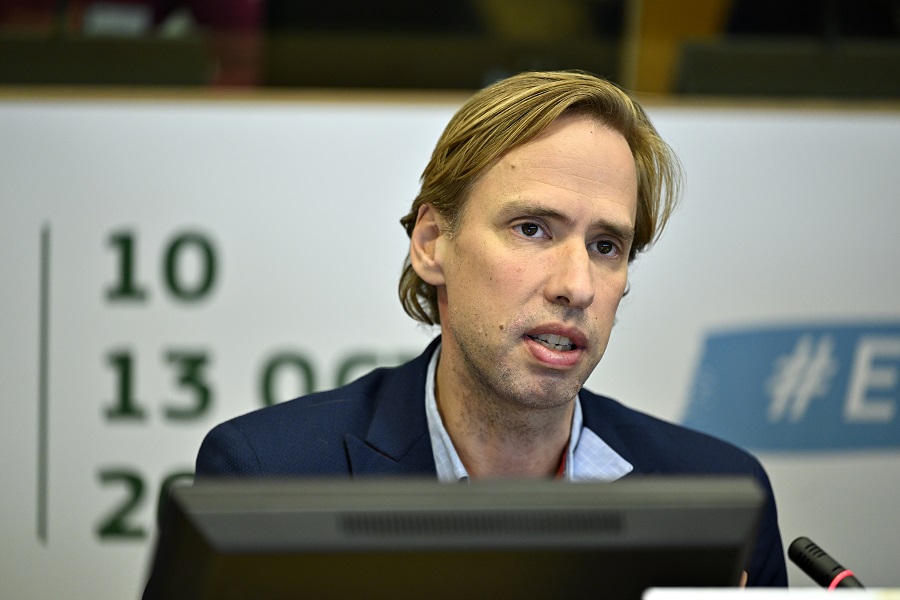
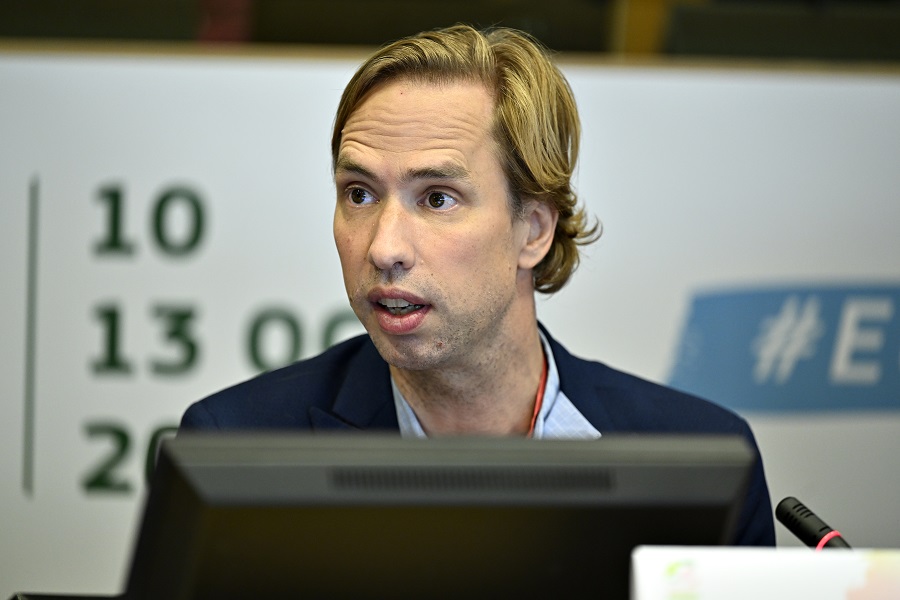
Bert Wollants, Member of the Federal Parliament of Belgium, while presenting Flanders’ “Renovation Wave”, underlined Flanders’ commitment to renovate almost 3 million homes (equating to almost 97% of the housing stock) and highlighted energy efficiency improvements in Flanders building stock leading to lower emissions, lower energy expenditure, and lower pollution-related sickness among citizens.
Eglė Stonkė’ presented the Klaipeda region’s smart specialisation strategy and outlined the vision for 2030: Western Lithuania aims to become a leader in the sustainable maritime economy within the Baltic Sea Region, notably by focussing on Green Port development and transformation, offshore wind, sustainable and innovative maritime logistics for the strengthening of the maritime economy.
A smart specialisation strategy presentation was also carried out by Minister Mikel Irujo, who outlined Navarra’s green transition efforts and Navarra’s “S4 Model”. As examples aimed at fulfilling the ambitions of the European Green Deal, he mentioned the Navarra Green ecological transition strategy, the Energy Plan of Navarra, and the “Navarra Zirkular, the region’s plan to implement a circular economy model.