
SEDEC: EA members debate intergenerational fairness, anti-poverty strategy, women’s rights and the union of skills
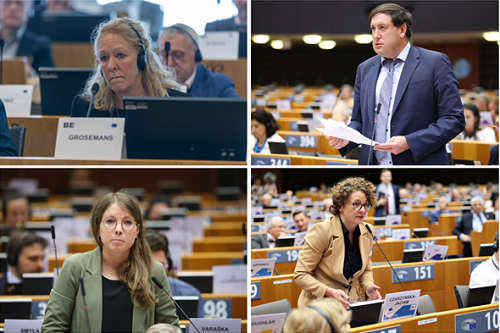
Recent meeting of the SEDEC commission saw the active involvement of EA Group members in debates on intergenerational fairness, an EU Anti-Poverty Strategy, women’s rights and the Union of Skills Strategy.
Kicking off the day was EA Group Coordinator Karolien Grosemans, who gave constructive comments on the draft opinion on intergenerational fairness. Ms Grosemans recommended that the opinion should call for impact assessments since they crucially outline the real-life outcomes and intergenerational impacts of EU policy. She further stressed ‘we must also look at culture that binds societies’, promoting the protection of Europe’s multiculturalism and multilingualism to boost social cohesion, cultural resilience and intergenerational continuity. Also intervening in this debate was Kieran McCarthy, who advocated life-long learning and intergenerational dialogue for understanding the diverse experiences and perspectives of others and thereby enhancing social cohesion.
Coming next, Magdalena Czarzynska-Jachim affirmed that ‘combatting poverty needs a systematic approach’ in a debate on the EU’s Anti-Poverty Strategy. Ms Czarzynska-Jachim highlighted the need for strategic focus on the structural causes of poverty and stressed that LRAs must be able to tailor anti-poverty initiatives to local situations. She then spotlighted gender-based violence as a root cause of poverty not yet receiving sufficient attention, outlining the case of homeless women fleeing domestic abuse as a problematic outcome. Within the later debate on strengthening women’s rights, she built on this message by emphasising the need for ‘gendered budgeting’ of public expenditure that meets women’s needs.
Finally, Liesa Scholzen shared an array of best practices from her home region when contributing to debates on strengthening women’s rights and on the EU Union of Skills Strategy. On the former, she described how the region of Ostbelgien invests in inclusive school programmes and childcare services to break down gender stigmas and ensure gender-equal access to educational and employment opportunities. She outlined how more work is needed to improve women’s healthcare facilities both within Ostbelgien and across the EU, calling for greater financial and policy support to tackle this issue. On the Union of Skills Strategy, Ms Scholzen called for the implementation within schools of multilingualism and dual training system frameworks that will equip students to work adaptably and flexibly in the future. She thereby concluded the day by reiterating the importance of high-quality education, health and wellbeing.